Electric vehicles are evolving rapidly, and one of the biggest breakthroughs on the horizon is solid-state battery technology. Promising longer range, faster charging, and improved safety, it’s often described as the “next big thing” in EVs.
But here’s the real question: should you wait for solid-state batteries, or buy an EV today? Let’s break it down in a simple, practical, and Google Discover–friendly way.
What Are Solid-State EV Batteries?
Solid-state batteries are different from current EV batteries because they use a solid electrolyte instead of a liquid one.
👉 In simple terms:
- Today’s EVs = Lithium-ion batteries (liquid electrolyte)
- Future EVs = Solid-state batteries (solid electrolyte)
This change may seem technical, but it brings major improvements in performance, efficiency, and safety.
Why Everyone Is Talking About Them
Solid-state batteries promise three major upgrades that could redefine electric vehicles:
1. Much Longer Range
Solid-state batteries have higher energy density, meaning they can store more energy in the same space.
👉 Expected impact:
- Future EVs could offer 800–1000+ km range
- Less need for frequent charging
2. Faster Charging
One of the biggest EV concerns today is charging time. Solid-state batteries aim to fix that.
👉 Potential benefits:
- Charging time could drop to 10–20 minutes
- Closer to traditional fuel refueling experience
3. Improved Safety
Liquid electrolytes in current batteries can be flammable. Solid-state batteries remove that risk.
👉 Result:
- Lower chances of battery fires
- Better performance in extreme conditions (important for India)
4. Lighter and More Efficient
These batteries are expected to be:
- Smaller in size
- Lighter in weight
- More energy efficient
👉 This can improve overall vehicle performance and mileage.
The Reality Check: Why They’re Not Here Yet
Despite the hype, solid-state batteries are still in development and face real challenges:
1. High Cost
Manufacturing solid-state batteries is currently expensive due to complex materials and processes.
👉 Early EVs with this tech will likely be premium-priced.
2. Limited Production
They are not yet mass-produced. Most companies are still testing prototypes.
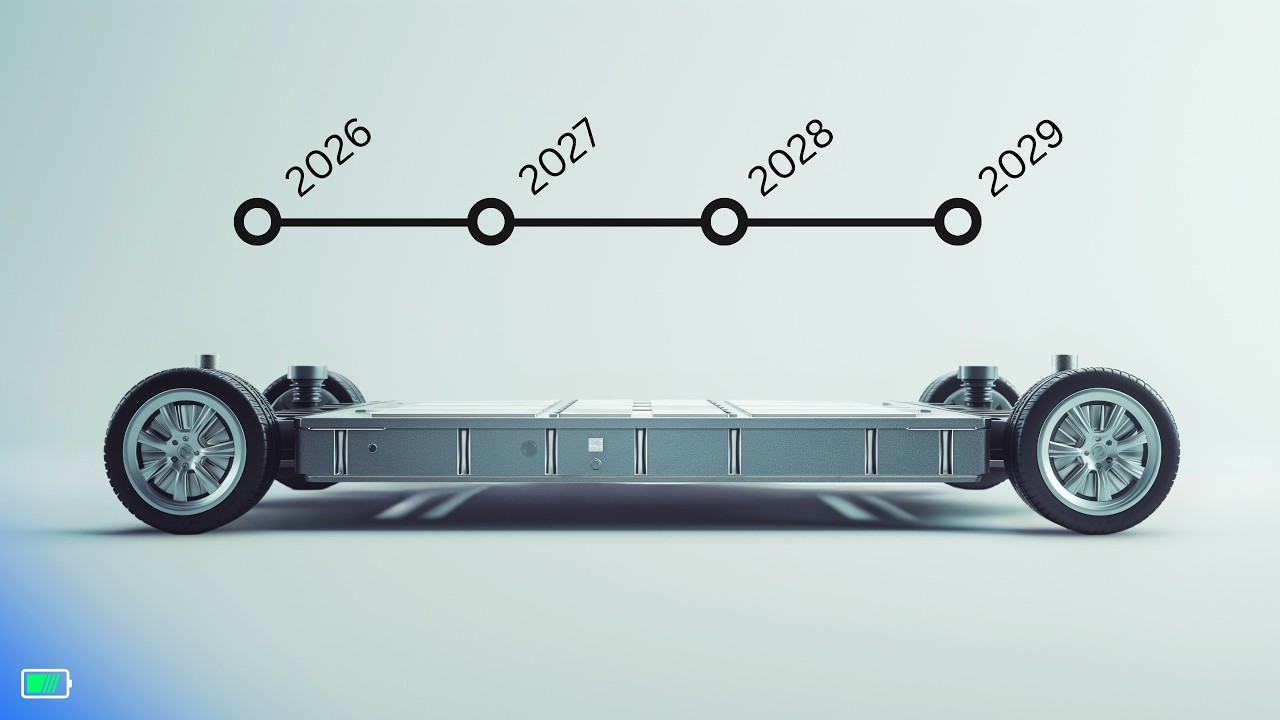
👉 Expected timeline:
- Limited rollout: 2027–2028
- Mass adoption: 2028–2030+
3. Performance Challenges
Some solid-state batteries struggle in low temperatures and long-term durability.
👉 Engineers are still working to solve these issues.
4. Technology Still Evolving
Problems like battery lifespan, material stability, and scalability still need solutions.
👉 In short: the tech is promising, but not fully ready for everyday use.
Should You Wait or Buy Now?
This depends on your situation.
You Should WAIT If:
- You plan to buy a car after 3–5 years
- You want cutting-edge technology
- Budget is not a concern
You Should NOT Wait If:
- You need a car now
- You want better fuel savings immediately
- You are okay with current EV range (300–600 km)
👉 Important insight: EV technology is improving every year. Waiting for the “perfect battery” may never end.
Reality vs Future Comparison
| Feature | Current EVs (Lithium-ion) | Solid-State EVs |
|---|---|---|
| Range | 300–600 km | 800–1000+ km |
| Charging Time | 30–60 minutes | 10–20 minutes |
| Safety | Good | Excellent |
| Cost | Becoming affordable | Expensive initially |
| Availability | Widely available | Future (limited) |
Final Verdict
👉 Are solid-state EV batteries worth waiting for?
✔️ Yes (Long-Term): They will revolutionize EV performance
❌ No (Short-Term): Not practical to delay your purchase today
Conclusion
Solid-state batteries are the future of electric mobility, but they are still a few years away from becoming mainstream. While the idea of ultra-fast charging and 1000 km range is exciting, today’s EVs already offer excellent performance, lower running costs, and real-world usability.
🚗 Smart decision:
Buy an EV today if you need one, and upgrade later when solid-state technology becomes widely available.
Because in the world of technology, waiting forever often means missing out on the benefits you can enjoy right now.